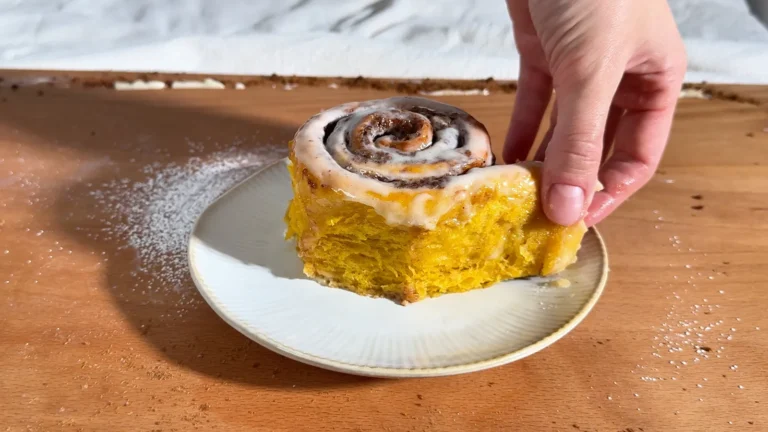

Fluffy Sourdough Discard Pancakes, No Baking Powder Needed 🥞
These sourdough pancakes come out golden on the outside, tender on the inside and with that extra bit of flavor only fermentation can give 🥞 They’re classic pancakes, just with a richer, deeper taste, and perfect for a special breakfast or a cozy afternoon snack.
The best part is that you can make them with active starter or with the discard you keep in the fridge. Both work really well: the only difference is how fluffy they turn out. So if you’ve been wondering what to do with your sourdough discard, here’s a delicious answer 🤗
There’s no baking powder or baking soda in the batter: the starter does the lifting, with a little help from whipped egg whites if you like. We show you the recipe in grams (with cups) and in two versions: an easy one with whole eggs, and a fluffier, cloud-style one where you whip the egg whites. Pick whichever suits your mood and your morning.
Not sure whether to use active starter or discard? We explain the differences right below the recipe. And if you don’t have a starter yet, begin with our guide to making a sourdough starter from scratch.
How We Make Them at Home, Step by Step
Sourdough Pancakes (With Discard or Active Starter)
Ingredients
For the batter
- 300 g sourdough starter 1¼ cups; 100% hydration; active or discard
- 220 g milk or plant-based milk ¾ cup + 3 tbsp; at room temperature
- 2 eggs large in the US, medium in Europe; whole, or separated for the fluffy version
- 60 g sugar ¼ cup + 1 tbsp
- 50 g butter 3½ tbsp; melted and slightly cooled
- 160 g all-purpose flour 1⅓ cups; a kitchen scale works best
- 20 g cornstarch or potato starch 2½ tbsp; optional
- 6 g fine salt 1 tsp
For extra-fluffy pancakes (optional)
- 2 egg whites extra; fluffy version only
For the pan
- butter or neutral oil for greasing
Instructions
The batter
- Mix the base. In a large bowl, add the 300 g of starter, the 220 g of milk, the eggs depending on the version, the 60 g of sugar and the 50 g of melted, slightly cooled butter. Easy version: the 2 whole eggs. Fluffy version: only the 2 yolks; keep the whites in the fridge for later. Mix well.
- Add the dry ingredients. The 160 g of flour, the 20 g of cornstarch or potato starch and the 6 g of salt. Mix only until there's no dry flour left, without overmixing.
- Check the texture. It should look like thick Greek yogurt. If it's too runny, add a little more flour; if it's so thick it barely moves, add a splash of milk.
- Let it rest 20-30 minutes. Covered, at room temperature.
The egg whites (fluffy version only)
- Whip the egg whites. If you used whole eggs, skip this step and the next one. Put the 2 whites, ideally cold, in a clean bowl (plus the 2 extra, if you want even more height). Whip on medium-low speed until you get a light, flexible foam with soft peaks that fold over.
- Fold them in gently. A little at a time. A few white streaks are fine: what matters is not losing the air.
In the pan
- Heat the pan over low to medium heat. Grease it lightly. Any pan works; we use a cast iron one.
- Add the batter and cover. A little batter per pancake, or inside metal cookie cutters if you want fun shapes. Cover the pan with a lid or a metal bowl: the steam helps them rise more and stay tender.
- Cook 2-3 minutes per side. When the bottom is golden, flip them and cook the other side. Repeat with the rest of the batter.
Notes
- With active starter they rise more and turn out fluffier; with discard they have more flavor. Both work: we explain the differences right below the recipe.
- With discard, if you’re in a hurry, you can cook them without the rest.
- Using active starter that lives in the fridge? Here’s how to get the 300 g ready a few hours ahead. The total time doesn’t include that feeding.
- The cornstarch or potato starch is optional. If you don’t have any, use 20 g (2½ tbsp) more flour.
- For 2 people, halve all the ingredients (1 egg).
- Low to medium heat and no rush: over high heat they brown on the outside and stay raw inside.
- Don’t have a starter yet? Start with our guide to making a sourdough starter from scratch.
Any questions about the recipe? Ask us in the comments and we’ll get back to you. And if you make it, tell us how it turned out, we love hearing from you! 🤗
The Pan We Make Our Pancakes In
We make our pancakes and crêpes in an enameled cast iron Le Creuset crêpe pan. It spreads the heat really evenly, so every pancake comes out with the same golden color, from the first to the last, and over low to medium heat it holds its temperature without ups and downs 🥞
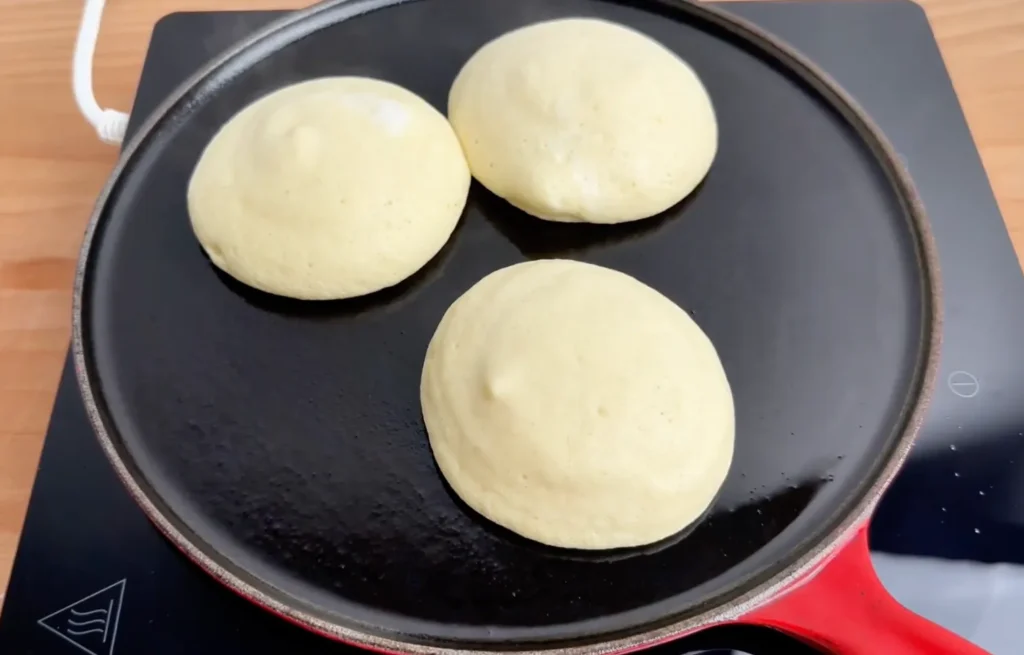
We just grease it lightly with butter and always use wooden spatulas to look after it. It’s one of those things you buy once and keep for life. That said, the recipe works in any pan: what really matters is gentle heat and a lid.
Active Starter or Discard: What Changes in Your Pancakes
Both work really well. What changes is the height and the flavor, and knowing that helps you choose the version of the recipe that suits you best.
With Active Starter: Taller and Fluffier
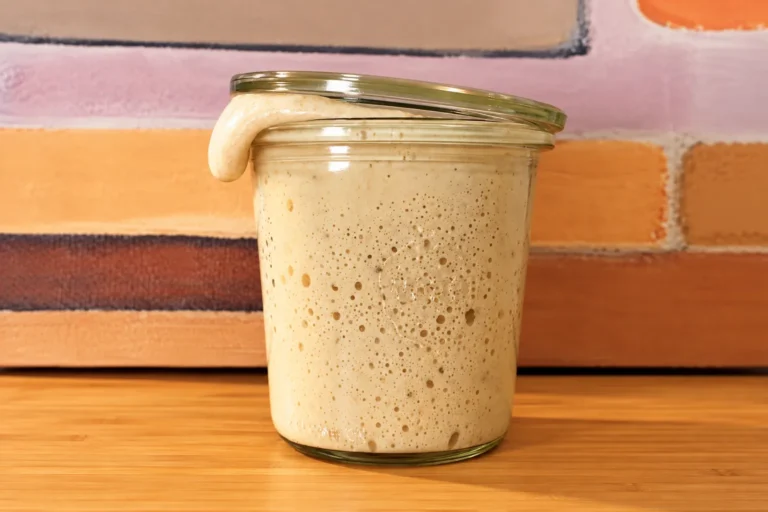
Active and at its peak means at the highest point of its rise after feeding: it has doubled in size, it’s full of bubbles, the top is domed and it smells gently tangy, a bit like yogurt.
At that point, the starter keeps working while the batter rests and adds air to it. That’s why pancakes made with active starter rise more and turn out fluffier. And if you also whip the egg whites, they come out really tall.
How to Get 300 g of Active Starter Ready
If you keep your starter in the fridge, feed it a few hours before you start:
| Ingredient | Amount |
|---|---|
| Starter from the fridge | 75 g (⅓ cup) |
| Wheat flour | 150 g (1¼ cups) |
| Room-temperature water | 150 g (⅔ cup) |
Mix, cover loosely and leave at room temperature. These are the same proportions we use for our easy sourdough bread, so the timings match too: about 4-5 hours in a warm kitchen (24-26 °C / 75-79 °F), 6-8 hours in a mild one (20-22 °C / 68-72 °F) and 10-12 hours if it’s cold.
You’ll end up with 375 g: use 300 g for the pancakes and keep the remaining 75 g in the fridge for next time.
And if your starter is at its peak and you’re in the mood for bread, it’s also perfect for our sourdough milk bread, soft as a cloud.
With Sourdough Discard: More Flavor and Nothing Goes to Waste
The discard is the part of the starter you remove every time you feed it, and you can keep collecting it in a jar in the fridge. It no longer has the strength of a freshly fed starter, so the pancakes rise a little less. In exchange, they have a deeper flavor, and it’s a delicious way to use it up.
If you’re using discard, the version with whipped egg whites suits it best: the air the starter doesn’t add, the egg whites do. And if you’re in a hurry, with discard you can cook them without the rest, although those 20-30 minutes help the flour hydrate and make a smoother batter.
Keys to Tall, Fluffy Pancakes
The Batter Should Look Like Thick Greek Yogurt
This is the most important sign in the recipe. Every starter and every flour absorbs liquid differently, so trust the texture more than the exact grams of milk.
If the batter is too runny, it spreads in the pan and the pancakes come out thin: add a little more flour. If it’s so thick it barely moves, add a splash of milk.
Mix Just Enough
When you add the flour, mix only until there’s no dry flour left. If you overmix, the gluten develops and the pancakes turn out chewy instead of tender. A few small lumps are no problem.
Whip the Whites to Soft Peaks and Fold Them In Gently
Whip the egg whites on medium-low speed, in a clean bowl with no traces of grease, since grease is what stops them from whipping. We use them cold.
Aim for a light, flexible foam with soft peaks that fold over. There’s no need to reach stiff peaks: overwhipped whites turn lumpy, and when you try to break up the lumps you lose exactly the air you wanted to add.
Fold them into the batter a little at a time, with gentle movements from the bottom up. A few white streaks are fine. What matters is not losing the air.
Cover the Pan
It’s the most underrated trick. With a lid or a metal bowl on top, the steam stays inside, the pancakes rise a little more and cook through before they brown too much on the outside.
Low to Medium Heat, No Rush
Over high heat they brown on the outside and stay raw inside. Over low to medium heat they have time to rise and cook all the way through. We use a cast iron pan because it spreads the heat very evenly and gives them a beautiful golden color, but any pan works.
Cornstarch or Potato Starch
It isn’t essential, but it makes the crumb a little softer. You can use cornstarch or potato starch. If you don’t have either, use 20 g (2½ tbsp) more flour and that’s it.
Variations: Plant-Based Milk, No Cornstarch, Half Batch or Fun Shapes
With plant-based milk. Swap the milk for your favorite plant-based milk, in the same amount and at room temperature.
Without cornstarch or starch. Add 20 g (2½ tbsp) more flour. They’re just as good, with a slightly less soft crumb.
Half batch. The recipe serves 3 to 4 people. For 2, halve all the ingredients: 150 g (⅔ cup) of starter and 1 egg.
Fun shapes. Pour the batter into lightly greased metal cookie cutters, right in the pan. It’s the easiest way to make hearts, stars or whatever you like for a special breakfast.
Without sourdough. If you don’t have a starter today but you’re craving pancakes, try our pancakes without baking powder, super fluffy and with only 4 ingredients.
Frequently Asked Questions About Sourdough Pancakes
Can I use sourdough discard, or does it have to be active starter?
Both work. With active starter the pancakes come out taller and fluffier; with discard they have more flavor and rise a little less. If you’re using discard, we recommend the version with whipped egg whites, which makes up for the height. We explain all the differences in active starter or discard.
Do these pancakes need baking powder or baking soda?
No. The starter adds air while the batter rests, and in the fluffy version the whipped egg whites give them extra height. That’s all they need.
Do I need to let the batter rest overnight in the fridge?
Not for this recipe. These are quick pancakes: the batter only rests 20-30 minutes at room temperature. If you let it ferment overnight in the fridge, the sourdough flavor gets stronger, but the texture turns denser, more like a thick crêpe, and less fluffy.
Can I make them without whipping the egg whites?
Yes, that’s the easy version: add the 2 whole eggs at the start and skip the egg white step. They come out a little less tall, but just as delicious.
Can I make them without cornstarch or potato starch?
Yes, it’s optional. If you don’t have any, add 20 g (2½ tbsp) more flour. The starch just makes the crumb a little softer.
Can I use plant-based milk?
Yes. Swap the milk for your favorite plant-based milk, in the same amount and at room temperature.
Why are my pancakes flat?
It’s almost always the batter or the egg whites. If the batter is too runny, it spreads in the pan: it should look like thick Greek yogurt. If you whipped the egg whites, they may have deflated when you mixed them in: fold them in a little at a time, gently. And covering the pan helps them rise a bit more.
Why do they brown on the outside but stay raw inside?
Because the heat is too high. Cook them over low to medium heat, 2-3 minutes per side, with the pan covered: the steam helps them cook through before they brown too much.
Do I need a cast iron pan?
No, any pan works. We use an enameled cast iron one because it spreads the heat very evenly and gives them a beautiful golden color, but they turn out just as well in a nonstick pan.
What if I don’t have a sourdough starter?
You can make your own with our guide to making a sourdough starter from scratch: in a few days it’ll be ready. And if you want pancakes today, try our pancakes without baking powder, with only 4 ingredients.
Made This Recipe or Have a Question?
Any questions before you start? Ask us down below and we’ll get back to you. And if you’ve already made it, tell us how it turned out or leave us a rating: it really helps more people find the recipe 😊
Rate this recipe ⭐️